


Innovation often begins by looking at something ordinary and seeing untapped potential. For Kaushik Varadan, Founder and Director of RECORE Bio Materials Pvt. Ltd., that opportunity was hidden in agricultural waste. While millions of tonnes of plant residue are discarded every year, Kaushik saw the possibility of transforming these overlooked resources into sustainable materials that could serve industries ranging from fashion and accessories to interiors and product design.
Join the Conversation – Live on YouTube
RECORE™ was founded on a simple idea: waste does not have to remain waste. By combining natural fibres, material science, and responsible manufacturing practices, the company is developing plant-based material alternatives designed for a future that demands both innovation and sustainability. Its flagship focus has been creating value from resources that are often ignored after harvest.
The journey did not begin with materials alone. Before RECORE™, Kaushik was involved with Raydan Fabrics, where he explored sustainable textiles and plant-based fibres. Working closely with natural materials helped him recognize a larger opportunity. Rather than focusing only on fabrics, he envisioned a dedicated material innovation company that could convert agricultural residue into commercially useful products across multiple industries.
One of the company’s key innovations is Banaric™, a plant-based material developed from banana stems and other natural resources. After banana harvesting, large amounts of biomass are typically left behind or discarded. RECORE™ approaches this agricultural residue differently, treating it as a valuable source of fibre and cellulose that can be transformed into next-generation materials.
At the heart of the business is a strong commitment to farmers. RECORE™ works around agricultural waste streams and helps create additional income opportunities from materials that would otherwise have little economic value. By connecting agriculture with industry, the company is building a model where farmers benefit from resources that were previously overlooked.
The impact also extends to rural communities, particularly women. Fibre extraction is one of the most important stages in the RECORE™ supply chain, involving cleaning, drying, and processing natural fibres. Much of this work is carried out by women in farming regions, creating income opportunities closer to home while supporting skill development and economic participation.
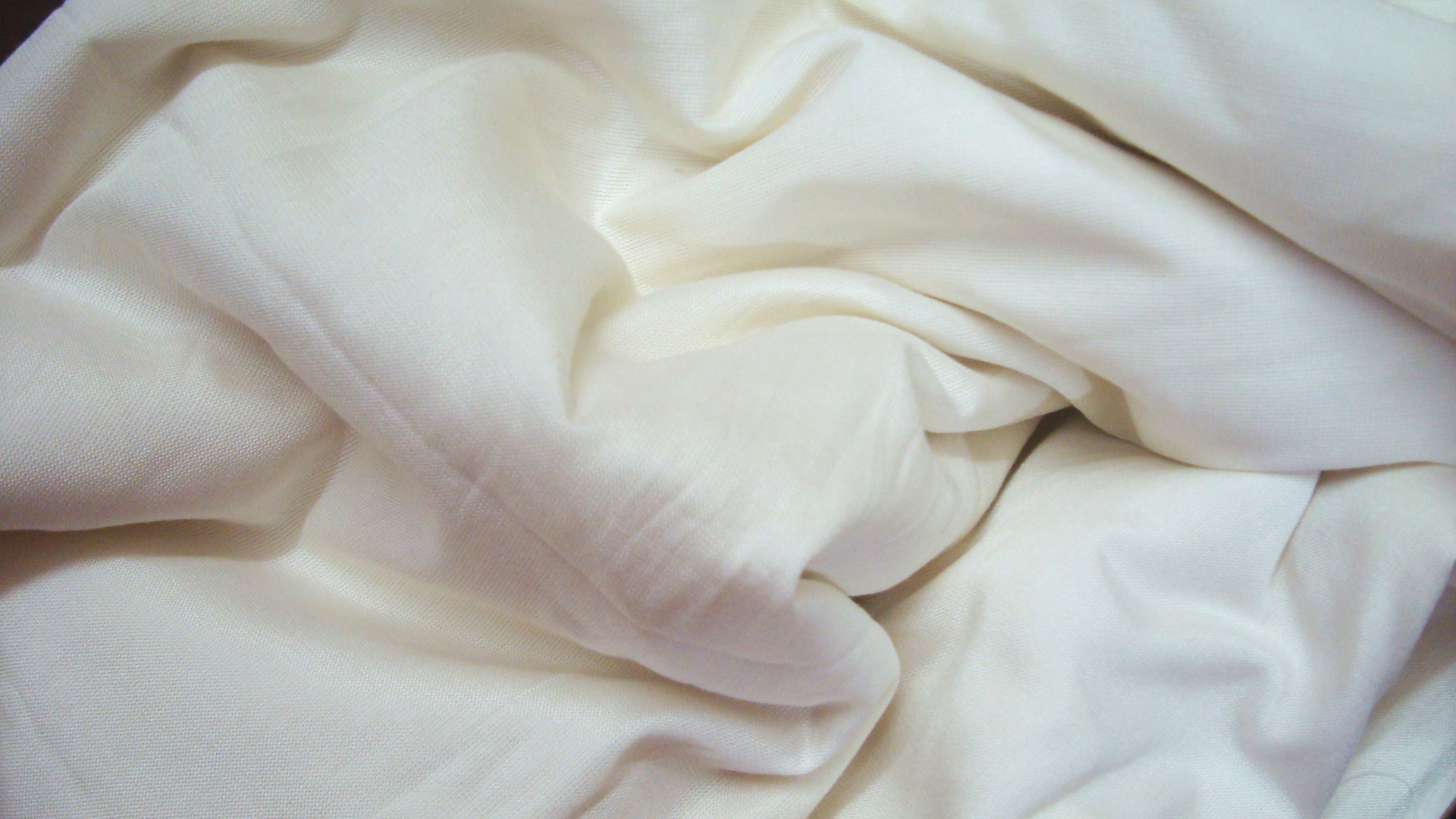 For Kaushik, the mission goes beyond developing an alternative material. He believes the future of manufacturing lies in creating responsible ecosystems where sustainability, design, and commercial viability work together. By bringing agricultural waste into the value chain, RECORE™ is helping industries reduce dependence on conventional materials while encouraging more resource-efficient production practices.
Although still in the early stages of its journey, RECORE™ represents a growing movement toward circular and regenerative manufacturing. Through innovation, material research, and a deep commitment to people and the planet, Kaushik Varadan is demonstrating that some of tomorrow’s most important materials may already exist around us today. Sometimes, the future is not about creating something entirely new, but about discovering new value in what we leave behind.