

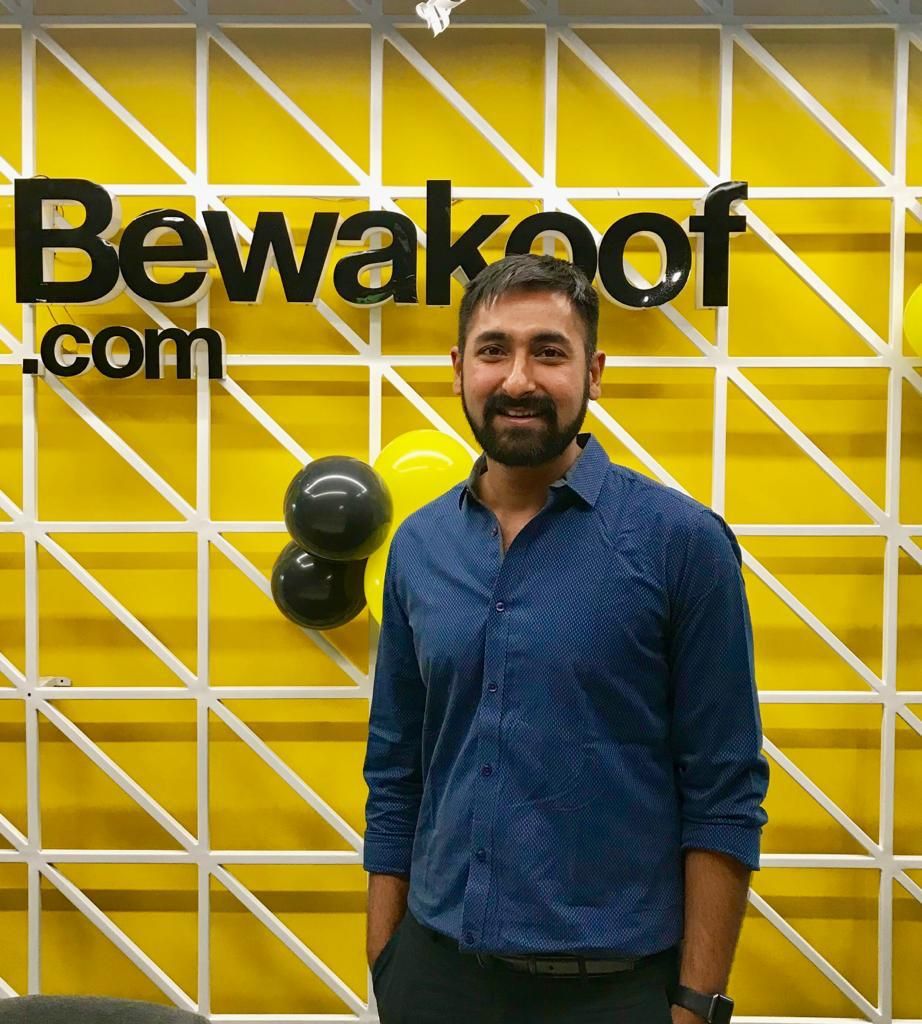
When Prabhkiran Singh co‑founded Bewakoof in 2011, he wasn’t just launching another fashion label. He was creating a brand that spoke directly to India’s youth—bold, quirky, and unapologetically different. Over 14 years, Bewakoof grew from a bootstrapped idea into one of India’s most recognizable direct‑to‑consumer (D2C) fashion brands, loved by Gen Z and millennials for its affordable, trend‑driven products.

The Founder’s Journey
- Prabhkiran Singh started Bewakoof at the age of 21, alongside co‑founder Siddharth Munot.
- Inspired by Walt Disney’s vision of building something that lasts a century, Singh wanted to create a brand that would resonate with young people for generations.
- What began as a small online merchandising store quickly scaled into a youth‑focused fashion and lifestyle brand, selling apparel, accessories, and licensed merchandise.
 The Brand Identity
Bewakoof’s name itself was a statement—playful, irreverent, and memorable. It reflected the brand’s ethos: fashion that doesn’t take itself too seriously.
- Affordable fashion: Trendy designs at accessible prices.
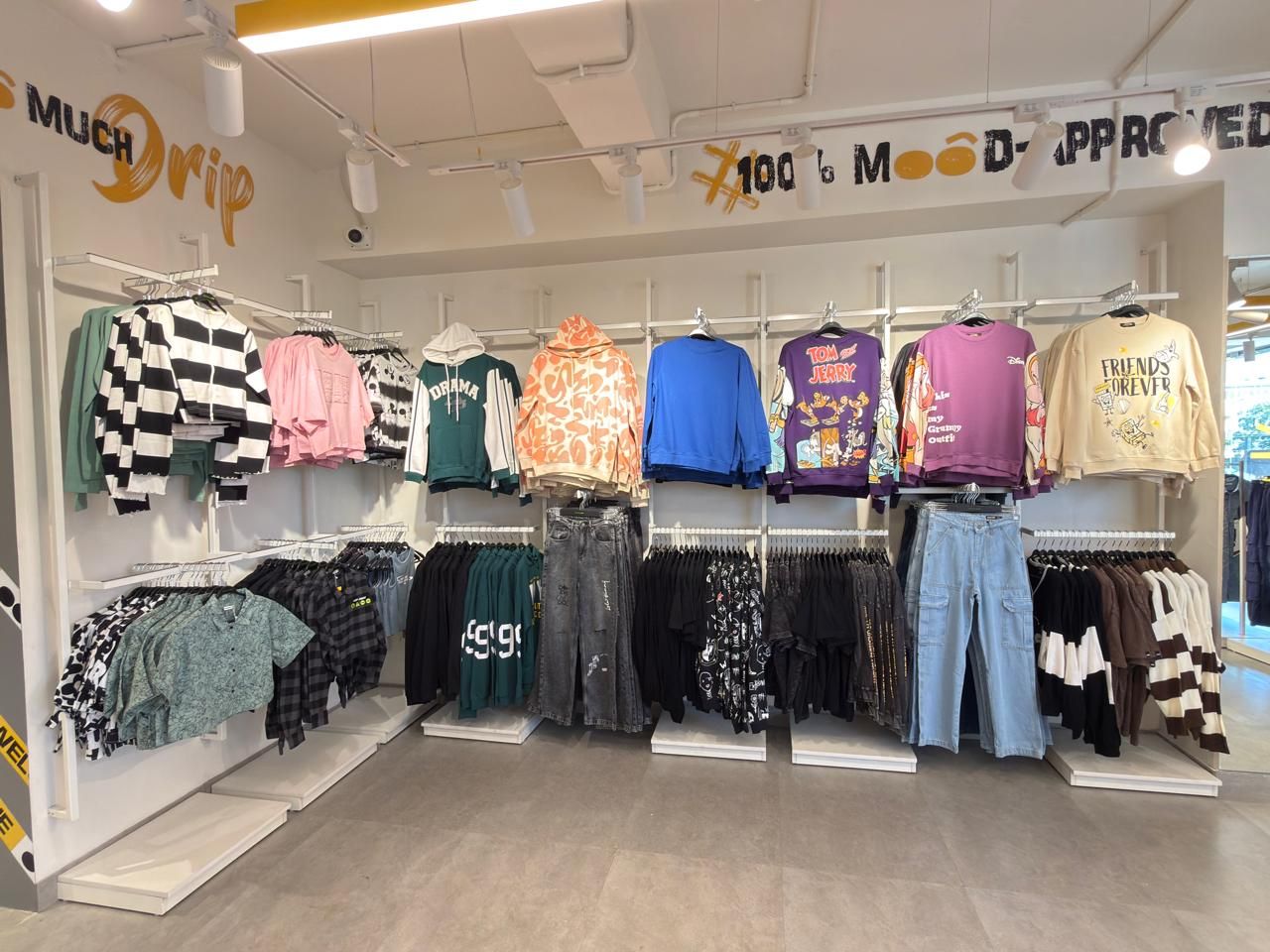
- Youth culture: T‑shirts, hoodies, and accessories that tapped into memes, pop culture, and everyday humor.
- Direct‑to‑consumer model: Selling primarily through its own website, while also leveraging online marketplaces for reach.
This approach helped Bewakoof build a strong presence among India’s digitally native consumers.
 Growth and Expansion
- Over the years, Bewakoof became synonymous with quirky, relatable fashion.
- Collections often featured collaborations with pop culture franchises, making the brand a go‑to for fans of movies, comics, and gaming.
- By focusing on community‑driven marketing, Bewakoof built loyalty among young buyers who saw the brand as part of their identity.
The Transition
In February 2026, Prabhkiran Singh announced he would step down as CEO after 14 years at the helm. He described Bewakoof as his “baby” and likened its growth to that of a child coming of age. Singh’s decision was driven by personal priorities—health, family, and new goals.
The brand’s next phase will be led by TMRW, the digital‑first fashion venture of Aditya Birla Fashion and Retail Ltd., which owns a majority stake in Bewakoof. Singh emphasized that the company is “structurally ready” for its next chapter, backed by a strong leadership team and the resources of the Aditya Birla Group.
Legacy of Bewakoof
Prabhkiran Singh didn’t just build a fashion brand—he built a cultural phenomenon.
- He proved that Indian youth wanted fashion that was fun, affordable, and expressive.
- He showed how a D2C model could thrive in India’s competitive retail landscape.
- Most importantly, he created a brand that became part of everyday life for millions of young Indians.
Conclusion
Bewakoof is more than quirky T‑shirts and affordable fashion—it’s a story of entrepreneurship, vision, and cultural resonance. For Prabhkiran Singh, it was a 14‑year journey of building something that spoke to a generation. As he steps away, the brand enters a new era under Aditya Birla’s TMRW, but its legacy as a youth‑driven fashion disruptor remains firmly intact.