

When Beauty Finally Felt Real, Not Perfect
For decades, the Indian beauty industry quietly promoted one narrow definition of beauty—flawless skin, fair tone, and perfection without texture. It was aspirational, but it didn’t feel real for most people.

Then in 2020, right in the middle of a global pandemic, FAE Beauty entered the market and changed the tone of the conversation.
FAE stood for Free and Equal, and that wasn’t just branding—it was a belief. Unlike traditional beauty brands that promised to transform you, FAE promised something far more powerful: to make you feel accepted as you already are.
It spoke to people who had never truly felt represented—people with acne, texture, deeper skin tones, and real, unfiltered faces. This wasn’t just makeup. It was validation.
The Founder Who Didn’t Feel Seen by the Industry She Loved
Behind FAE Beauty is Karishma Kewalramani, but her journey didn’t start as a founder. It started as a consumer who loved makeup—but never fully saw herself in it.
Karishma grew up admiring beauty brands and what they represented—confidence and self-expression. But there was always a disconnect. The ads didn’t look real. The shades didn’t suit Indian undertones. Slowly, she realized something uncomfortable: beauty felt exclusive.
She didn’t want to reject makeup. She wanted to redefine it. She wanted to build a brand that didn’t make people feel insecure first and confident later. She wanted confidence to be the starting point. That idea became FAE Beauty.
 The Industry Was Selling Perfection. FAE Started Selling Honesty
For years, beauty marketing followed the same formula—highlight flaws, then sell solutions. Hide your acne. Fix your pigmentation. Correct your skin tone.
But FAE Beauty asked a radical question: What if there was nothing to fix?
Instead of selling correction, FAE sold acceptance. Instead of perfection, it showed reality. Instead of insecurity, it built confidence. For the first time, people felt understood instead of targeted.
Products Designed for Indian Skin, Not Imported Standards
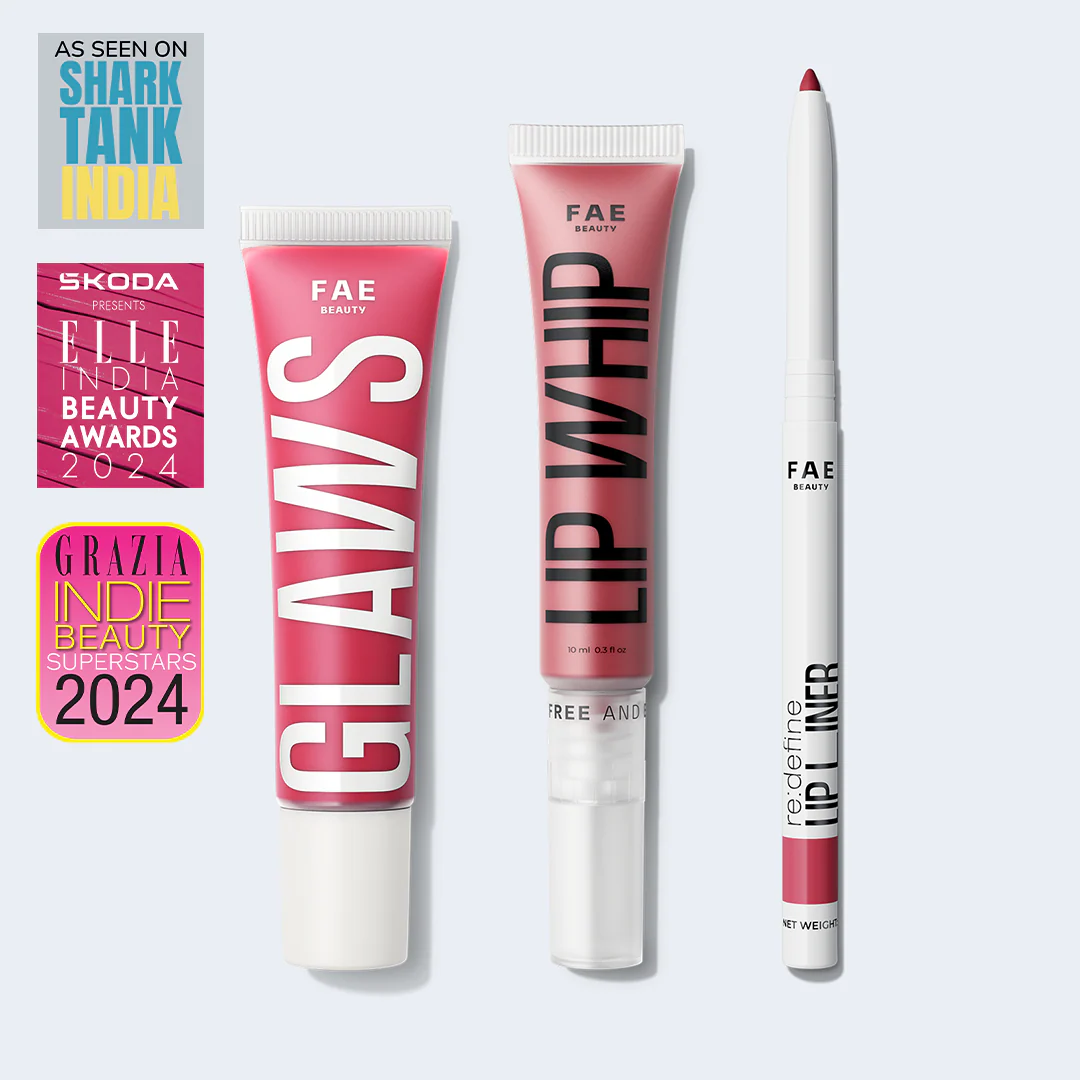
One of FAE Beauty’s earliest breakthroughs was its Lip Whip range. What made it special wasn’t just the formula, but the intention behind it. These shades were created specifically for dusky, deep, and olive Indian skin tones.
Other popular products include:
- Lip Whip – ₹750–₹850
- Buildable Matte Lipsticks – around ₹800
- Brash Mascara – ₹700–₹900
- Glaws Gloss – around ₹700
The brand positioned itself in the mid-premium segment, but what people really bought was representation.
 Marketing That Didn’t Hide Reality—It Showed It
FAE Beauty broke traditional beauty rules through its campaigns. Instead of flawless models, they showed acne, skin texture, facial hair, and diverse faces.
There was no artificial perfection. For many people, it was the first time they saw themselves reflected in a beauty brand. That honesty created something rare—trust.
How FAE Beauty Built Loyalty Without Huge Budgets
FAE Beauty didn’t grow because of celebrity endorsements or massive ad spending. It grew because of connection. Through Instagram storytelling, honest communication, and word-of-mouth, the brand built a strong community.
Among Gen Z especially, FAE became more than makeup. It became identity.
Standing Strong Among Industry Giants
FAE Beauty competes with brands like Sugar Cosmetics and Nykaa Cosmetics, both known for wide product ranges and visibility. But FAE chose a different path.
Instead of competing on volume, it competed on values. While other brands sold beauty, FAE sold belonging.
Launching in Uncertain Times—and Still Winning
Starting in 2020 came with manufacturing challenges, financial risks, and market uncertainty. But the timing also worked in FAE’s favour. During the pandemic, people were already questioning unrealistic beauty standards. FAE’s message of acceptance arrived exactly when people needed it.
The Vision: Changing Beauty for the Future
FAE Beauty’s ambition goes beyond products. The brand aims to expand globally, launch new categories, and continue challenging outdated beauty norms. The goal isn’t perfection. The goal is freedom—freedom to exist as you are.
Final Thoughts: Why FAE Beauty Is More Than Just Makeup
Most beauty brands begin by identifying flaws. FAE Beauty began by rejecting that idea entirely. It didn’t tell people they needed fixing. It told people they were already enough.
FAE Beauty didn’t just build a cosmetics company. It built trust. It built belonging. And most importantly, it changed how people saw themselves.