


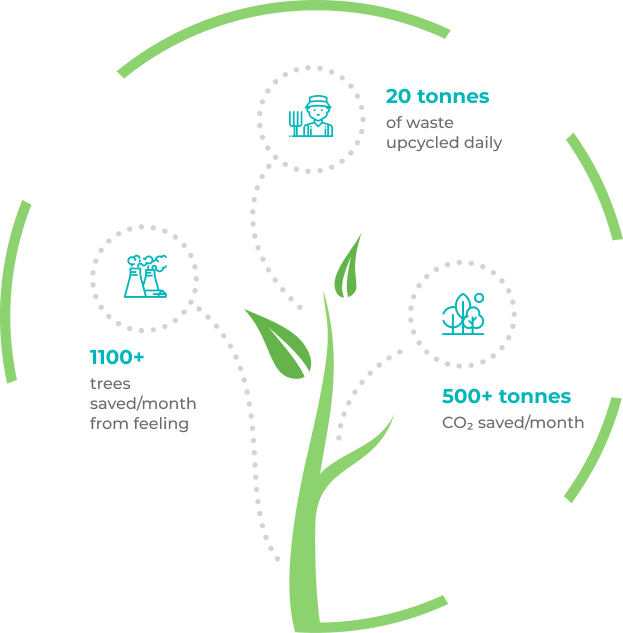
India produces nearly 100 million tonnes of crop residue every year, much of which is burned by farmers due to lack of alternatives. This practice contributes to severe air pollution, choking cities with toxic smog and harming public health. At the same time, industries continue to rely heavily on timber, threatening forests and releasing billions of tonnes of CO₂ annually.
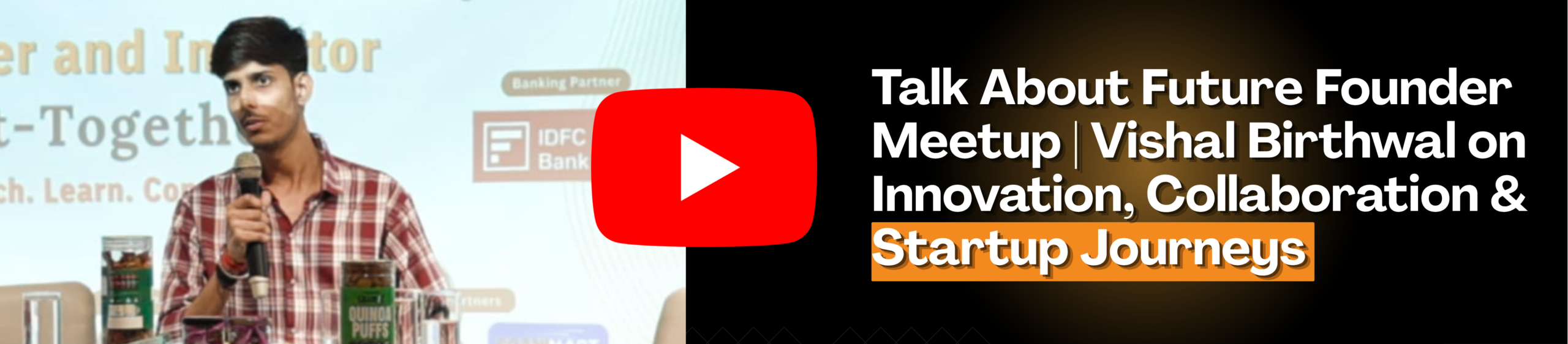
Join the Conversation – Live on YouTube
This is the challenge that Craste, founded by siblings Shubham Singh and Himansha Singh, set out to solve. Their mission is simple yet transformative: convert agricultural waste into sustainable materials for use in furniture, construction, and packaging. By doing so, Craste reduces pollution, protects forests, and creates new income opportunities for farmers.
The Founders’ Vision
- Shubham Singh – Inspired by the environmental crisis caused by stubble burning, Shubham envisioned a way to transform crop residue into valuable industrial materials. His focus has been on innovation and building scalable solutions.
- Himansha Singh – Complementing Shubham’s vision, Himansha brings a strong commitment to sustainability and social impact. Together, they saw agricultural waste not as a burden, but as an untapped resource.
Their shared belief is that waste can be reimagined as wealth, and industries can thrive without compromising the environment.
 The Super Founder Journey
Like most startups, Craste’s journey began with challenges. Developing a new material from crop residue required extensive research, experimentation, and convincing manufacturers that farm waste could compete with conventional timber-based boards.
Step by step, the founders refined their technology, creating durable, eco-friendly boards and packaging materials. Their persistence paid off, and Craste began to gain recognition as a pioneer in sustainable innovation.
What Craste Creates
- Sustainable Boards – Engineered boards made from agricultural residue, suitable for furniture, interiors, and construction. These boards are durable, lightweight, and free from toxic formaldehyde, making them healthier for indoor spaces.
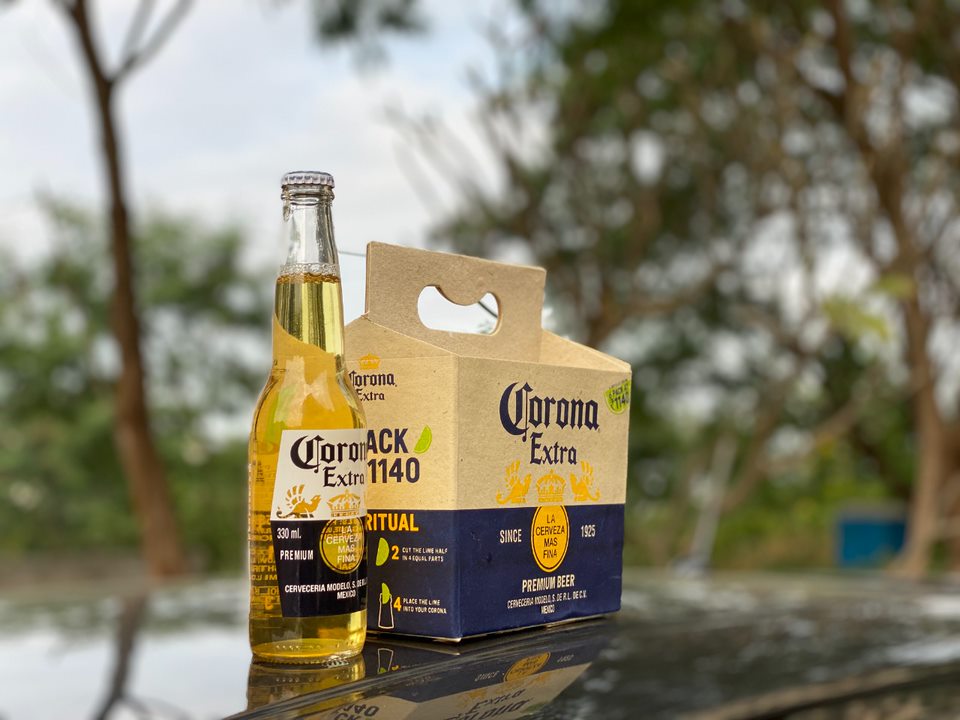
- Eco-Friendly Paper & Packaging – Paper and packaging materials crafted from crop waste, offering businesses a sustainable alternative to traditional paper and plastic.
By replacing timber and reducing reliance on harmful chemicals, Craste’s products are designed to be safe, sustainable, and scalable.
Environmental Impact
Craste’s work addresses multiple environmental challenges:
- Cleaner Air – Reducing stubble burning, a major contributor to seasonal smog.
- Forest Protection – Lowering demand for timber, thereby preserving endangered forests.
- Healthier Living Spaces – Eliminating toxic formaldehyde from boards and plywood.
- Farmer Empowerment – Creating new revenue streams by purchasing crop residue.
This approach embodies the principles of a circular economy, where waste is transformed into valuable resources instead of being discarded.
 Vision for the Future
Looking ahead, Craste aims to expand its production facilities closer to agricultural regions, making sourcing more efficient and empowering farmers at scale. The company also envisions partnerships with industries worldwide, positioning its sustainable materials as the future of construction and packaging.
By 2050, timber demand is expected to rise by 80%. Craste’s innovations could play a crucial role in meeting industrial needs without devastating forests or worsening climate change.
Conclusion
Craste is more than a startup—it’s a movement for sustainability. Through the vision and determination of Shubham Singh and Himansha Singh, agricultural waste is being reimagined as a resource that can build homes, furnish offices, and package goods, all while protecting the planet.
Craste: Innovating for cleaner air, healthier spaces, and a greener future.