

EcoKaari is a Pune-based social enterprise founded by Nandan Bhat in 2020, dedicated to “humanising fashion” by upcycling single-use plastics into handcrafted products while empowering artisans.

🌍 EcoKaari: Nandan Bhat and His Team Weaving Sustainability
🌱 The Vision Behind EcoKaari
EcoKaari was founded in September 2020 by Nandan Bhat, a corporate professional turned entrepreneur. After spending nearly a decade in the corporate world, Nandan felt compelled to address two pressing issues: the growing menace of plastic waste and the lack of livelihood opportunities for marginalized communities. His solution was to merge sustainability with social empowerment.
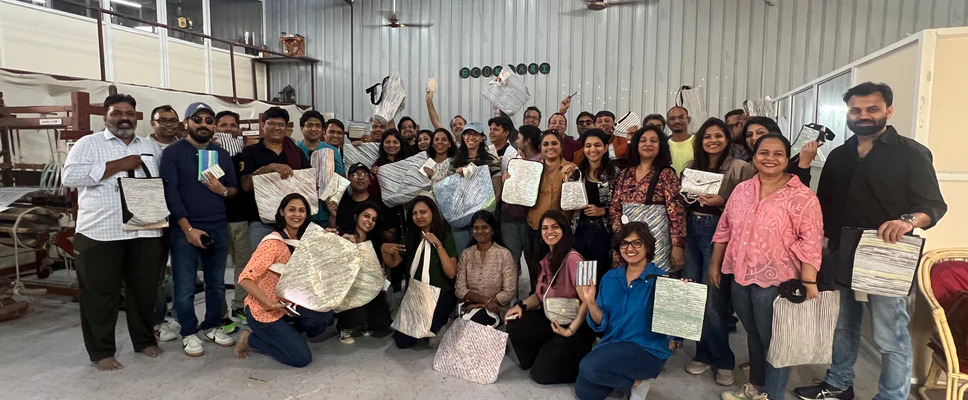 The name itself reflects this mission: “Eco” for eco-friendly and “Kaari” from “kaarigar,” meaning artisan. EcoKaari’s philosophy is simple yet powerful—transform waste into wealth while giving artisans dignity and purpose
EcoKaari is a social enterprise that transforms waste into fashion, blending sustainability with human stories. Founded with the vision of “humanising fashion,” EcoKaari upcycles single-use plastics into handcrafted fabrics, empowering artisans while tackling one of the world’s biggest environmental challenges.
🌍 EcoKaari: Humanising Fashion Through Upcycling
🌱 The Birth of an Idea
EcoKaari was born from a simple yet powerful belief: fashion should not harm the planet, and artisans deserve dignity in their craft. The name itself reflects this philosophy—“Eco” stands for eco-friendly, while “Kaari” comes from “kaarigar,” meaning artisan.
At its core, EcoKaari is not just about products; it’s about people. The enterprise trains individuals from less privileged backgrounds, giving them skills to upcycle waste and earn a livelihood. This bottom-up approach ensures that sustainability is not just environmental but also social.
♻️ The Art of Upcycling
Unlike recycling, which breaks down waste into raw materials, upcycling gives waste a new life without losing its essence. EcoKaari collects discarded plastics—carry bags, multilayered packaging, glittery gift wrappers, even old cassette tapes—and transforms them into vibrant fabrics using traditional charkhas (spindles) and handlooms.
These fabrics are then crafted into:
- Totes and handbags
- Wallets, pouches, and laptop sleeves
- School and office accessories
- Home décor items
Each product is unique, carrying the story of the waste it once was and the artisan who gave it new life.
👩🎨 Empowering Communities
EcoKaari’s mission goes beyond sustainability. It is about empowering artisans, especially women and youth from marginalized communities, by teaching them valuable skills. This initiative provides:
- Employment opportunities for those with limited access to formal jobs
- Financial independence for women
- A sense of pride in creating something beautiful and useful from waste
By humanising fashion, EcoKaari ensures that every product carries not just environmental value but also social impact.
🏆 Recognition and Impact
EcoKaari has gained recognition for its innovative approach to fashion and sustainability. Its collaborations, exhibitions, and partnerships highlight how traditional crafts can merge with modern design to create products that are both stylish and responsible.
The enterprise also runs initiatives like the WoW Project (Wealth out of Waste), encouraging communities to rethink their relationship with plastic. Through workshops and upcycling experience tours, EcoKaari educates people about the importance of conscious consumption.
🌟 Why EcoKaari Matters
In a world drowning in plastic waste, EcoKaari offers a hopeful alternative. It shows that:
- Fashion can be sustainable without compromising on style.
- Waste can be wealth when paired with creativity.
- Communities can thrive when given opportunities to learn and earn.
EcoKaari’s story is a reminder that solutions to global problems often lie in local crafts and human ingenuity.
✨ Closing Thought
EcoKaari is not just a brand—it’s a movement. By upcycling waste into fashion, it bridges the gap between sustainability and style, while empowering artisans to reclaim dignity in their work. Every bag, wallet, or accessory is more than a product; it’s a story of transformation, resilience, and hope.